No provision in Act 522 against 50-year-old practice of mixing imported and local white rice — ministry
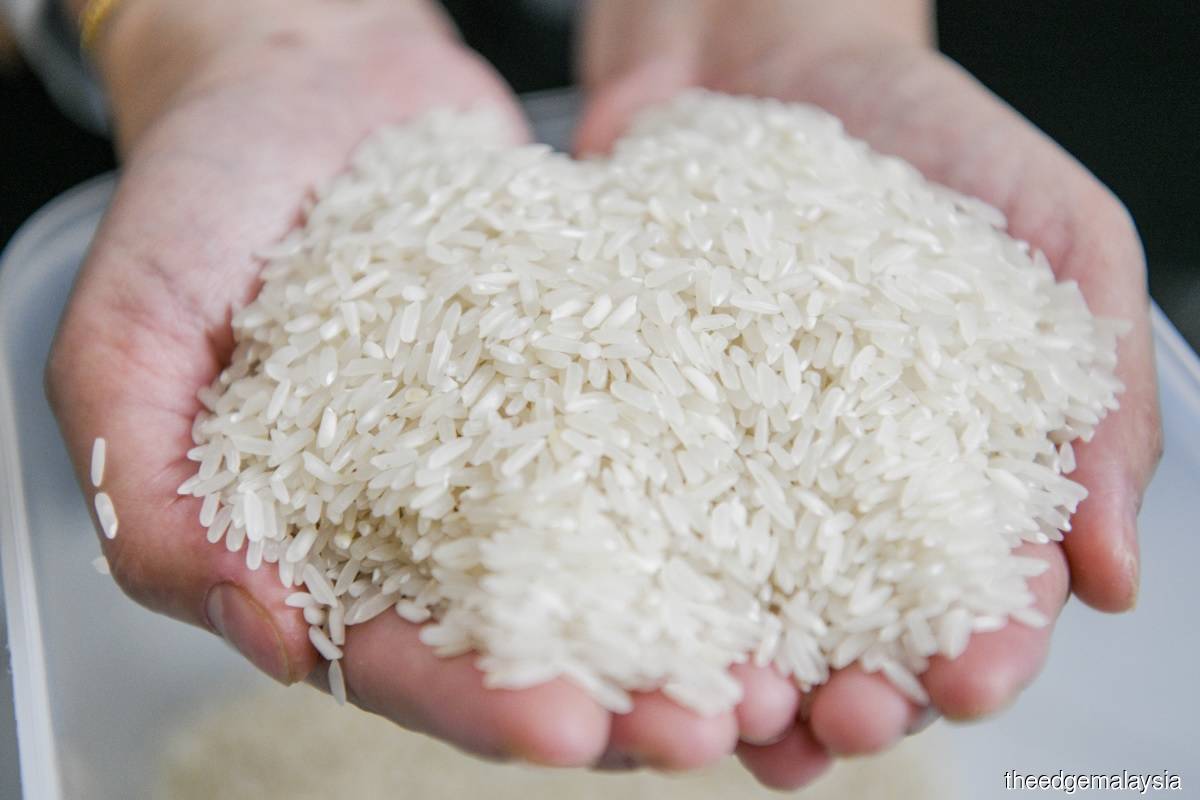
PUTRAJAYA (March 1): The Control of Padi and Rice Act 1994 (Act 522) does not have clear provisions for prosecuting people involved in the 50-year-old practice of mixing imported white rice (BPI) and local white rice (BPT), according to the Ministry of Agriculture and Food Security.
In a statement on Saturday, the ministry said this situation led to findings from a study conducted by the Malaysian Agricultural Research and Development Institute (Mardi) on samples of imported rice recently.
Referring to Mardi’s study using DNA sequencing (fingerprinting) technology that was recently revealed, it was found that about 50% of the 5,000 BPI samples seized by authorities had been mixed with BPT.
The ministry stated that the absence of such provisions made it impossible to take legal action against the offenders.
Taking into account the views of farmers, consumers and the industry, the Madani government takes responsibility to control this practice by refining the directive of the Cabinet committee meeting on the National Food Security Policy (JKKMN) to come up with the best methods and mechanisms to curb rice adulteration.
“It needs to be controlled through legislation and drafting comprehensive proposals for appropriate pricing of a mixed rice category for consideration by the Cabinet.
“The [legal] mechanism to control mixing ([of BPT and BPI] also has the support of the Malaysia Competition Commission (MyCC) as a long-term resolution,” according to the ministry.
The ministry said the Special Task Force Integrated Local White Rice Operation (Op BPT) established by the ministry found that the cause of the BPT shortage was due to structural price purchase issues of paddy, rice production costs, the ceiling price of BPT, and no specific provision to prohibit rice-mixing in Act 522.
Furthermore, a general study by MyCC presented in the JKKMN meeting on Dec 17, 2024 found that the mixing of BPT and BPI had been occurring since 1970, with no efforts made to control this activity.
To find a win-win solution for farmers, industry players and consumers, the government has reportedly launched large-scale phased reforms of the paddy and rice sector beginning in October 2024.
According to the ministry, initial steps taken included restructuring governance to avoid conflicts of interest, reviewing Act 522, establishing the Malaysian Agrofood Regulatory and Enforcement Agency, and empowering Mardi to identify rice varieties through DNA technology.
"The ministry hopes that all these measures will gain the support of all parties to ensure the country's paddy and rice industry remains sustainable, and that rice supply remains stable and affordable for Malaysians," the statement read.
Uploaded by Tham Yek Lee
The content is a snapshot from Publisher. Refer to the original content for accurate info. Contact us for any changes.
Comments
